HOME

CATALOGUE ESSAYS

As one

What else is love but understanding and rejoicing in the fact that another person lives, acts, and experiences otherwise than we do and crosswise to our purposes? For love to bridge these opposites through joy it must not eliminate or deny them. – Even self-love presupposes an irreconcilable duality (or multiplicity) in a single person. -Friedrich Nietzsche, 1879
Dualities: The art of Zhou Brothers

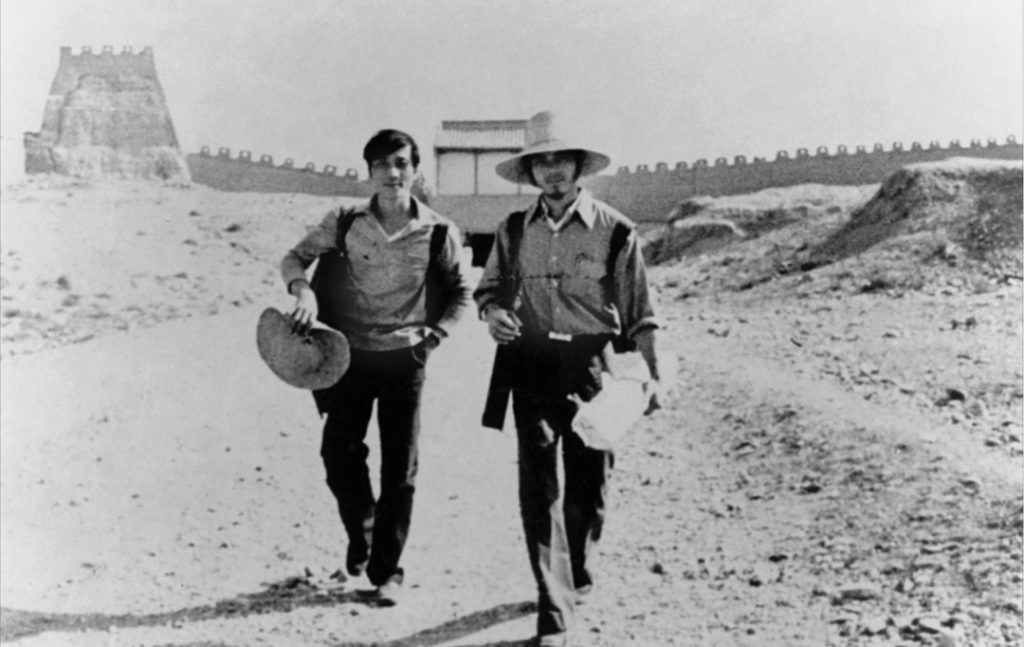
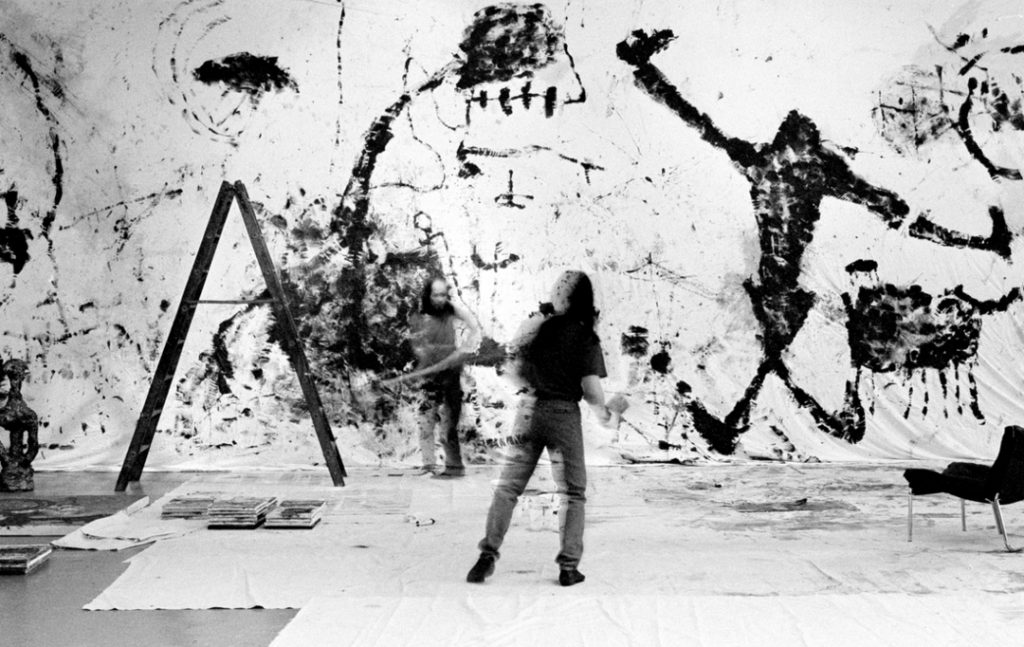
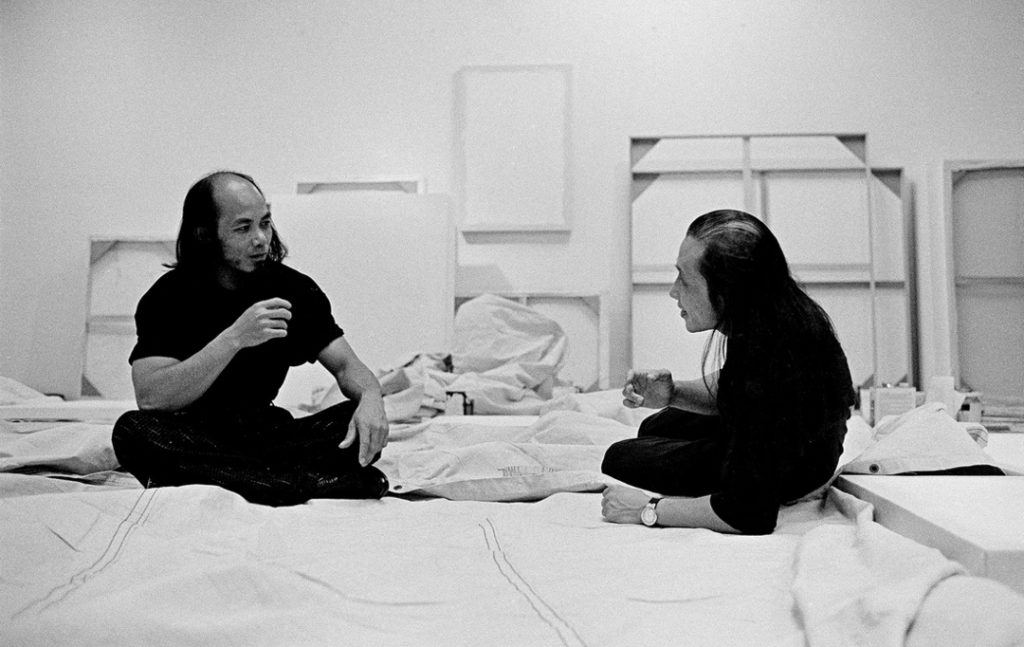
The Zhou Brothers’ story is key to understanding both their art and the fractious times we live in. On the one hand, it represents the paradigmatic American Dream: two Chinese brothers who come to Chicago with virtually no money and eventually become internationally famous and successful artists. This was at a time when the Cultural Revolution had already taken its toll and China had begun the process of opening to the West. In a larger sense, their art embodies

I. Creating the dream

When the Zhou Brothers first arrived in the United States in 1986, with dozens of their paintings, but only thirty dollars in their pockets, they definitely could not have imagined what they have achieved today. In these eighteen years, they have left their footprints and their artwork in cities all over the world. Their dreams and their faith in creating art together have been successfully accomplished. [Fig. bz4041] Thirty years of collaboration have has??

​II. Entering the new world

The Zhou Brothers left for Chicago via Shanghai on November 7, 1986, with thirty dollars in their pockets and fifty paintings in their suitcase. They were not able to reach the U.S. in time for the group show, but arrived before the November opening of their first solo show at East-West Gallery. The show attracted quite a lot of attention, but did not sell a single painting. The people who came seemed to like their works, but because no one knew who the Zhou Brothers were, they hesitated to purchase their paintings.

III. Dreams made real

The combination of new imagery and stronger visual contrasts characterizes work of the third stage of their development, from about 1993 until the present. Their celebratory feeling of freedom began to manifest itself in more cheerful and playful imagery. Rather than the stressful, distorted forms of their earlier work, there was a new feeling of liberation in many paintings of this third stage that reflects this confidence and lack of fear. Their exploration of other materials also demonstrates an easy